
Power Up Naturally: Top Vegetables That Boost Men's Health
Discover how the right vegetables on your plate can support your energy, vitality, and long-term well-being. Our editorial team at Healthfoodguideinfo has compiled the most impactful plant-based foods backed by nutritional science — so you can make every meal count.
Why Vegetables Matter for Men's Health
Men who consistently include nutrient-rich vegetables in their daily diet tend to report higher energy levels, stronger physical endurance, and a greater sense of overall well-being — according to a wide body of nutritional research.
Sustained Energy All Day
Men who regularly eat dark leafy greens and cruciferous vegetables report noticeably steadier energy throughout the day, without relying on stimulants like caffeine.
Stronger Cardiovascular Support
Potassium-rich and nitrate-dense vegetables have been widely studied for their ability to promote healthy circulation and support heart function as part of a balanced lifestyle.
Powerful Natural Antioxidants
Many vegetables are loaded with antioxidants that help the body manage oxidative stress — a factor that nutritionists increasingly link to premature fatigue and reduced physical performance in men.
6 Vegetables Every Man Should Eat Regularly
These vegetables stand out not just for their nutritional density, but for the specific vitamins, minerals, and plant compounds that align closely with the nutritional priorities of men's health and daily performance.

Spinach
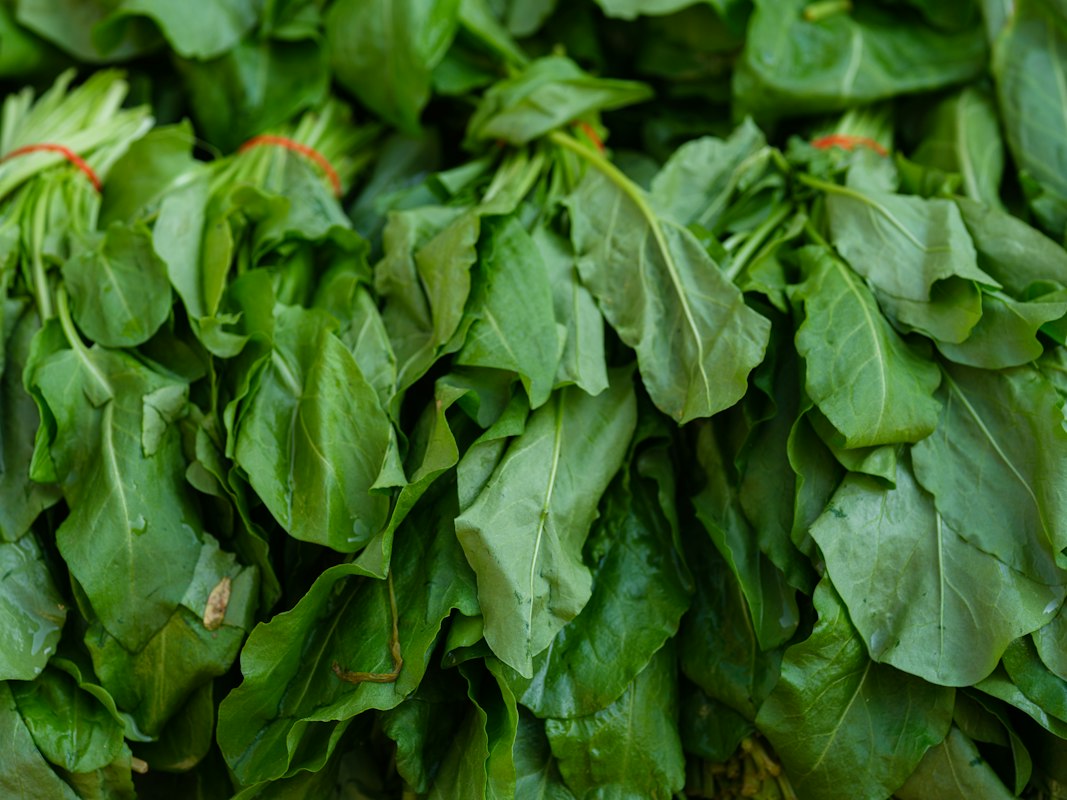
Spinach is one of the richest plant-based sources of magnesium, a mineral that plays a central role in muscle function, energy metabolism, and supporting the nervous system. It also provides iron, folate, and vitamins C and K. Men who train regularly or lead physically demanding lives benefit greatly from making spinach a consistent part of their diet — raw in salads or wilted into cooked dishes.

Broccoli
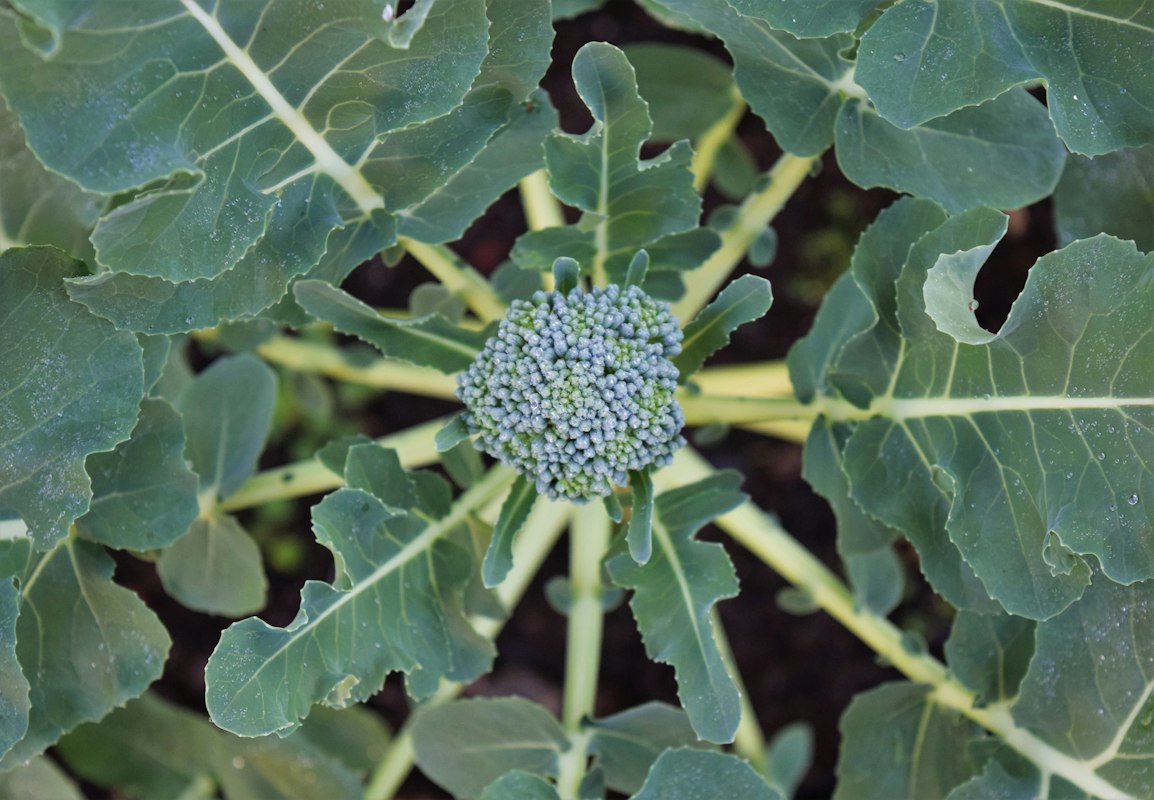
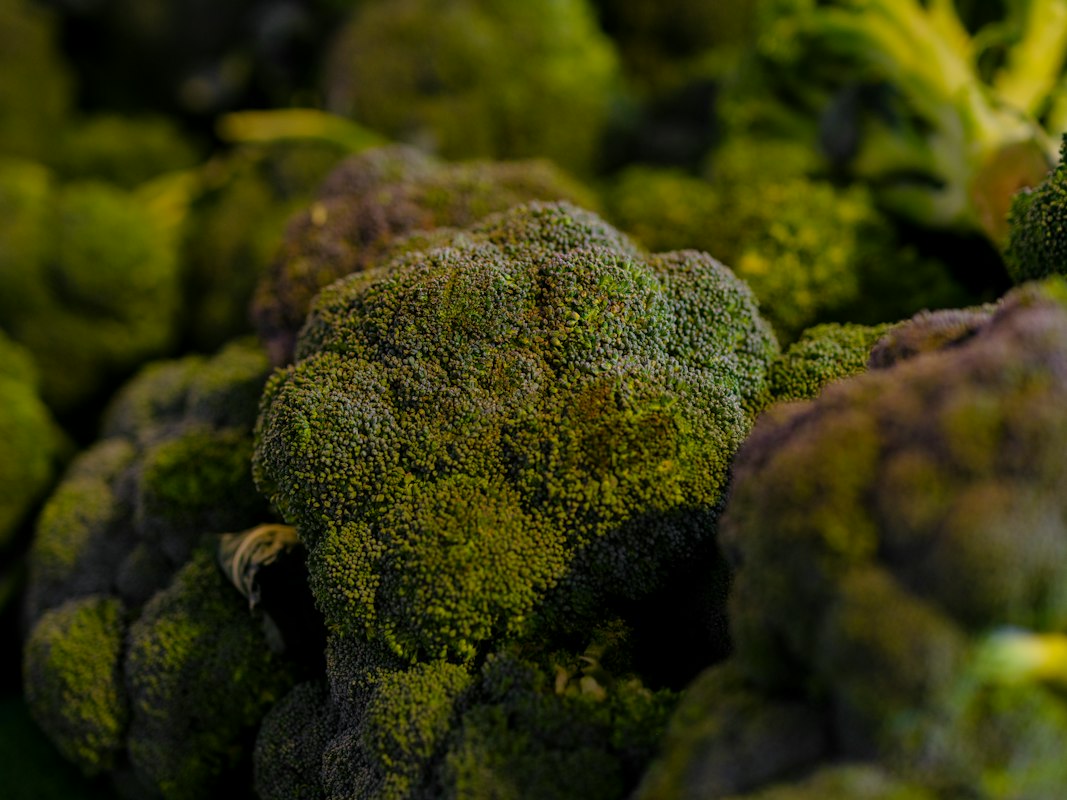
Broccoli contains sulforaphane, a powerful plant compound that has been extensively studied for its role in cellular protection and estrogen metabolism — a process particularly relevant to maintaining healthy hormone balance in men. It is also exceptionally high in vitamin C, vitamin K, and fiber. Steaming broccoli lightly is the best way to preserve its sulforaphane content while making it easy to digest.
Beets
Beets are extraordinarily rich in dietary nitrates, which the body converts into nitric oxide — a molecule that helps relax blood vessels and improve circulation throughout the body. This makes beets a favourite among men interested in endurance and physical performance. Beetroot juice or roasted beet slices make an excellent pre-activity food. They also contain betaine, which supports liver function and healthy cellular operation.

Garlic
Garlic has been valued in traditional nutrition for centuries, and modern nutritional science confirms why. Its active compound allicin supports healthy circulation, helps the body manage oxidative stress, and contributes to immune resilience. For men, garlic is particularly notable for its zinc content and its well-documented role in supporting cardiovascular function. Adding raw or lightly cooked garlic to daily meals is one of the simplest dietary upgrades available.
Asparagus
Asparagus is a nutritional powerhouse that is often underrated in men's dietary planning. It is one of the few vegetables that provides a meaningful amount of vitamin E — a fat-soluble antioxidant that plays an important role in protecting cells. It is also high in folate, which contributes to DNA synthesis and repair, and contains prebiotic fibers that nourish the gut microbiome. A healthy gut, in turn, supports overall nutrient absorption and immune readiness.
Kale
Kale is one of the most nutrient-dense foods on the planet, gram for gram. It offers exceptional amounts of vitamins A, C, and K, alongside calcium and plant-based omega-3 fatty acids. For men, kale's combination of anti-oxidative nutrients and fiber makes it an ideal base for salads, smoothies, or sautéed side dishes. Massaging raw kale with olive oil and lemon reduces its bitterness while keeping all its nutritional value fully intact.
How These Vegetables Support Hormone Balance and Daily Energy
Many of the vegetables on this list contribute directly to the nutritional conditions that help men maintain healthy hormone levels and feel energised throughout the day. Zinc — found in garlic and spinach — is one of the most essential minerals for male reproductive and metabolic health. Magnesium, abundant in spinach and kale, is involved in over three hundred enzymatic reactions in the body, including those related to energy production and muscle recovery after physical activity.
Cruciferous vegetables such as broccoli and kale contain compounds called indole-3-carbinol and diindolylmethane (DIM), which nutritional researchers have studied for their role in supporting healthy estrogen metabolism in men. When estrogen is balanced and metabolised efficiently, the body can maintain a healthier ratio of active androgens — supporting everything from energy and mood to muscle composition and vitality.
Dietary nitrates from beets and leafy greens help the body produce nitric oxide, which relaxes and dilates blood vessels. This improved vascular function means that muscles, organs, and tissues receive oxygen and nutrients more efficiently — translating to better physical endurance, mental clarity, and faster recovery between workouts or demanding workdays.
Simple Steps to Add These Vegetables to Your Daily Diet
You don't need an overhaul of your entire lifestyle to benefit from these vegetables. Small, consistent changes to how you shop, prepare, and eat make the biggest difference over time. Follow this practical framework to build healthier habits naturally.
Plan Your Weekly Shop
Each week, select at least three vegetables from this guide and add them to your shopping list. Planning ahead removes the barrier of decision fatigue and makes it far more likely you'll follow through. Aim to rotate your choices so you enjoy a range of nutrients across the week.
Batch-Prep on Weekends
Spend one hour on the weekend washing, chopping, and pre-cooking your vegetables. Roasted beets, blanched broccoli, and washed kale stored in airtight containers make weekday meals fast and effort-free. When healthy food is already prepared, you are far more likely to choose it over convenience options.
Build Vegetables Into Every Meal
Aim to include at least one vegetable from this list at breakfast, lunch, and dinner. Add spinach to your morning eggs or smoothie, toss garlic into a lunchtime stir-fry, and roast broccoli or asparagus as a dinner side. Layering vegetables across all three meals ensures you reach meaningful daily amounts without dramatic dietary shifts.
Track How You Feel
Keep a simple food journal for two to four weeks after making these changes. Note your energy levels, sleep quality, and physical performance. Most men who adopt a vegetable-rich diet report noticeable improvements within a few weeks. Tracking helps you identify which vegetables work best for your body and keeps motivation high over time.
Cook with Healthy Fats
Fat-soluble vitamins like A, E, and K — found in kale and asparagus — absorb far more effectively when eaten alongside a healthy fat such as olive oil or avocado.
Don't Overcook
Steam or lightly sauté vegetables rather than boiling them for long periods. Prolonged boiling leaches water-soluble vitamins like C and B-group into the cooking water.
Eat a Colour Spectrum
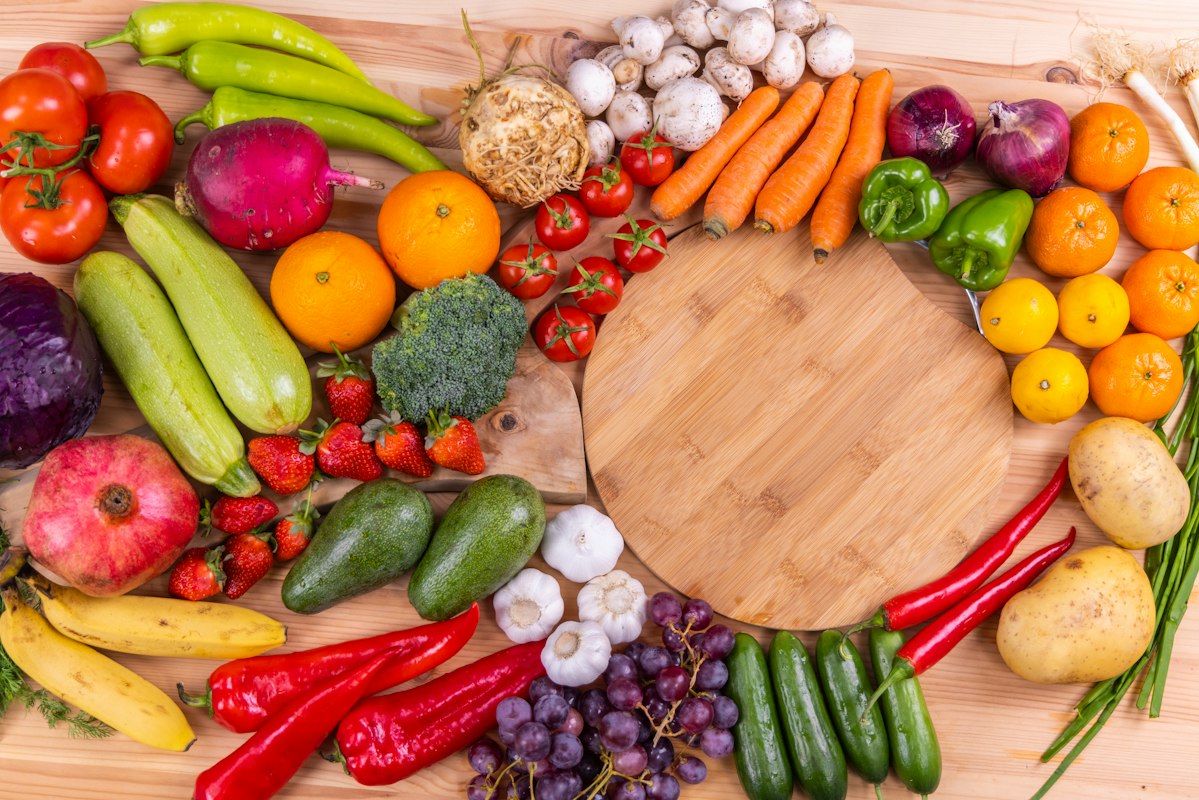
Each vegetable colour group contains different phytonutrients. Rotating between dark greens, purples (beets), and whites (garlic) ensures broad-spectrum nutritional coverage across the week.
What Our Readers Say
Everyday men across France share how the nutritional guidance on Healthfoodguideinfo influenced their approach to eating well.
Reading the article on beets and spinach on this site genuinely changed how I approach my weekly grocery shop. I started incorporating beets and spinach into almost every meal and within about three weeks, I noticed I wasn't reaching for coffee at 3pm anymore — my afternoon slump basically disappeared. The practical steps in the guide made it easy to follow without feeling overwhelmed. I've shared the link with several colleagues who had similar concerns about their energy levels.
Maxime Girard
Lyon, France
The broccoli and garlic article was a real eye-opener. I had no idea about the role of sulforaphane. I now steam broccoli a couple of times a week and genuinely feel more alert and less bloated after meals. The editorial tone on this site is honest and clear — no sensationalism, just science."
Natalie B.
Bristol, UK
I manage a small café and started sourcing ingredients based on recommendations from Healthfoodguideinfo. My customers have noticed — and commented positively on — the quality shift. Turmeric lattes and kefir-based dressings are now our bestsellers. This resource has genuinely helped my business evolve."
Rafael C.
Lisbon, Portugal
After my doctor recommended I increase my fibre and omega-3 intake, I turned to Healthfoodguideinfo to figure out exactly how to do that through real food. The guides on flaxseed, chia, and legumes were incredibly practical. Six months later my cholesterol panel has improved noticeably. Grateful doesn't cover it."
Diana T.
Toronto, Canada
240k+
Monthly Readers
4.9 / 5
Average Rating
500+
In-Depth Articles
98%
Would Recommend